What Is Power Flushing?  

A power flush is a professional deep clean for your central heating system, designed to remove built-up sludge, rust, limescale and debris from your radiators and pipework.
Over time, this build-up can restrict circulation, leave radiators cold or unevenly heated, cause noisy heating systems and make your boiler work harder than it needs to. Our powerful flushing equipment and specialist cleaning chemicals help remove these deposits, improving circulation, heating performance and system efficiency.

Installing a New Boiler?

If you’re replacing your boiler, a power flush may be recommended or required depending on the condition of your existing heating system and the boiler manufacturer’s installation requirements. Cleaning the system before fitting your new boiler helps remove existing sludge and debris that could otherwise enter the new boiler and cause problems. A clean heating system also helps your new boiler perform efficiently and can help protect your manufacturer’s warranty requirements.

Not sure if your heating system needs a power flush? Our experienced heating engineers can assess your system and recommend the right solution.
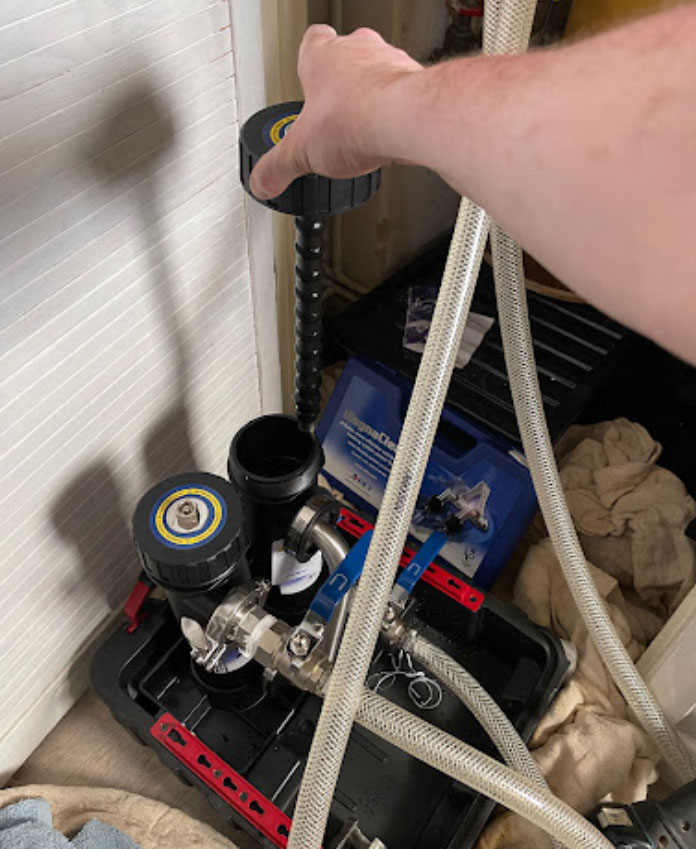
Benefits of Power Flushing Your Heating System

  • Improved Heating Performance – Help your radiators heat up faster and circulate hot water more effectively throughout your home.
  • More Even Heat – Reduce cold spots and improve heat distribution across your radiators, helping your home feel warmer and more comfortable.
  • Quieter Central Heating – Help reduce noisy radiators, banging pipes and boiler kettling caused by restricted circulation and system deposits.
  • Protect Your Boiler & Heating System – Removing sludge and debris helps reduce the risk of blockages and puts less strain on key heating components.
  • Potential Energy Savings – A cleaner, better-circulating heating system can operate more efficiently, helping you get more heat from your energy use.
  • Help Reduce Future Repairs – Keeping your heating system clean can help minimise issues caused by sludge and debris building up inside the system.
  • Ideal When Installing a New Boiler – Cleaning the existing system before installing a new boiler helps protect the new appliance from existing sludge and debris and ensures the system is prepared for the new installation.

Get Your Heating System Performing at Its Best

If your radiators are slow to heat up, cold at the bottom, noisy or struggling to heat your home, a power flush could be the solution. Contact us today to arrange an assessment and find out if your heating system would benefit from a professional power flush.
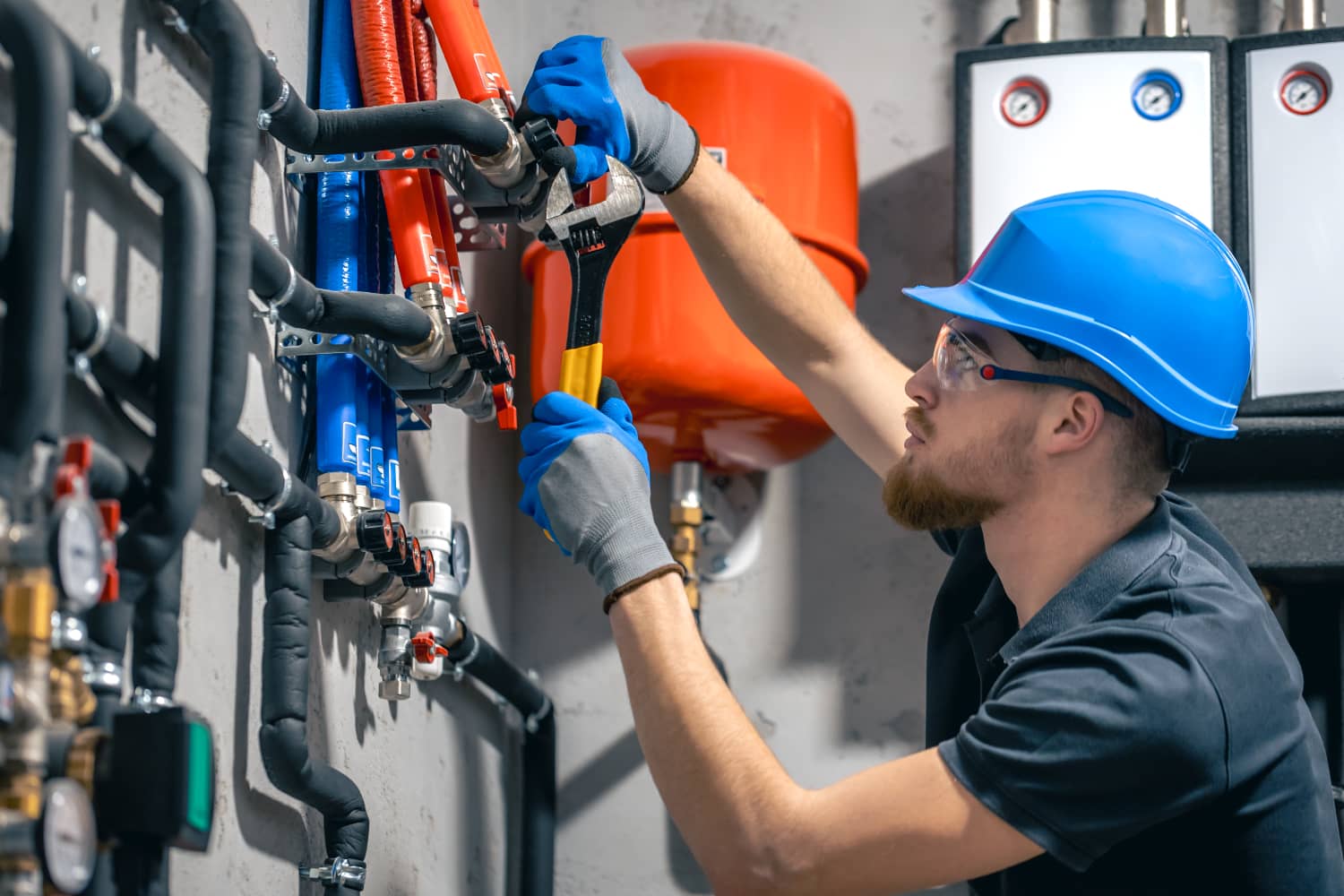
Signs Your Heating System May Need a Power Flush

  • Cold Spots on Radiators – Especially cold at the bottom, while the top gets warm.
  • Radiators Taking Too Long to Heat – Your heating is on, but your radiators are slow to warm up.
  • Some Radiators Stay Cold – Uneven heating or certain radiators failing to heat properly.
  • Frequent Radiator Bleeding – Having to repeatedly bleed radiators to keep them working properly.
  • Noisy Heating System – Banging, gurgling or kettling noises when your heating is running.
  • Dirty or Discoloured Water – Dark, dirty water when bleeding a radiator can be a sign of sludge and corrosion within the system.
  • Boiler Cutting Out – Restricted circulation can contribute to heating problems and boiler faults.
  • Increasing Heating Bills – Your system may be working harder than necessary to heat your home.
  • Pump or Valve Problems – Sludge and debris can restrict or damage components within your heating system.
  • Installing a New Boiler – An older heating system may benefit from a thorough clean before a new boiler is installed.

Is Your Heating System Struggling?

If your radiators are cold at the bottom, slow to heat, noisy or uneven, there could be sludge and debris restricting your system. Our experienced heating engineers can assess your system and advise whether a professional power flush is the right solution. Get in touch today and give your heating system a fresh start.

Frequently Asked Questions About Power Flushing

There’s no set interval that every heating system needs to be power flushed. It depends on the age, condition and type of your system, as well as how well it has been maintained.
As a general guide, a power flush may be beneficial every 10–15 years, but regular annual boiler servicing and system water checks can help identify problems before they become serious.
A system clean may also be recommended when installing a new boiler, particularly where an older system has signs of sludge or corrosion.
The exact cleaning requirements can vary between boiler manufacturers and models, so we always recommend following the manufacturer’s installation instructions.

Most power flushes take approximately 5–8 hours, depending on the size and condition of your heating system, the number of radiators and how much sludge and debris has built up.
In most cases, it’s a one-day job, although particularly large or heavily contaminated systems may take longer.
We’ll explain what’s involved before we start.

It can, particularly if your radiators are hot at the top but cold at the bottom, which is a common indication of sludge or debris restricting circulation.
A power flush is designed to remove these deposits and restore circulation around the system, helping your radiators heat more evenly.
However, cold radiators can have several possible causes. We’ll assess the system first to make sure a power flush is the appropriate solution.

A clean heating system allows water to circulate more freely, helping your boiler and heating components operate as they should.
Removing sludge and debris can help reduce the risk of blockages and problems caused by restricted circulation. It may also help reduce noises such as kettling where system contamination is contributing to the problem.
A power flush isn’t a guaranteed cure for every boiler fault, but keeping the heating system clean can help protect your boiler and other components from problems associated with sludge and corrosion.

Yes, when carried out correctly and with the condition of the system taken into account. However, power flushing does carry some risk, particularly with older radiators, valves and pipework.
Older systems can have weakened joints, corroded radiators or existing leaks that may only become apparent when the system is thoroughly cleaned.
We’re upfront about these risks. We assess the condition of your system before starting and will explain any concerns we identify.
If we believe a power flush could cause unnecessary problems, we’ll tell you rather than simply recommend the work.
In some cases, uncovering a weak component during a system clean can actually prevent a more serious failure further down the line.

The cost depends on the size of your heating system, the number of radiators and the condition and complexity of the pipework.
We’ll assess your system and provide a clear, fixed-price quote before any work begins, so you know exactly what you’re paying for.
No hidden costs. No unnecessary work. Just honest advice and transparent pricing.

Get in touch today for a quote.

It can. Sludge and debris can restrict circulation and make your heating system work less effectively.
Removing this contamination can improve circulation and help your radiators heat more efficiently.
The actual saving will depend on the condition of your system, your heating controls and how you use your heating.
There is no guaranteed percentage saving, but a heavily contaminated system may see a noticeable improvement in performance following a professional clean.

Not necessarily. Once the system has been thoroughly cleaned, we add heating-system inhibitor to help protect against corrosion and future sludge formation.
Regular boiler servicing and system-water checks can also help keep your heating system in good condition.
There is no universal rule that a system must be power flushed every 10–15 years. The need for another flush depends on the condition of the system and the results of future water testing.

Repeated pump failures, cold radiators, noisy heating and poor circulation can sometimes be caused by sludge and contamination within the system.
If sludge is the underlying cause, simply replacing a failed component may not address the problem. Cleaning the system can help remove the contamination that is contributing to restricted circulation and component problems.
However, these symptoms can have several causes, so we’ll diagnose the system before recommending a power flush rather than assuming it’s the answer.

Need Advice About Your Heating System?

Not sure whether your system needs a power flush?
We’ll assess the problem, explain what we’ve found and recommend the most appropriate solution — even if that means you don’t need a power flush.
Get in touch today for honest advice and a clear, fixed-price quote.